
Learning English at the WEC
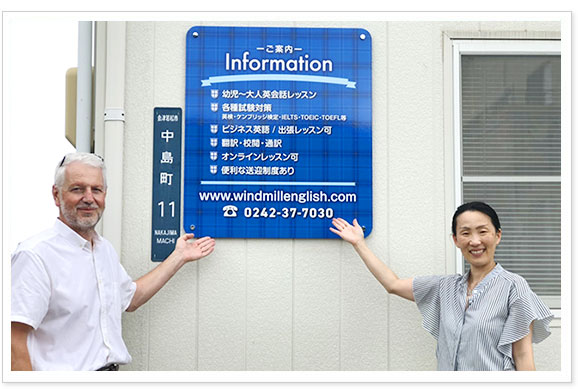
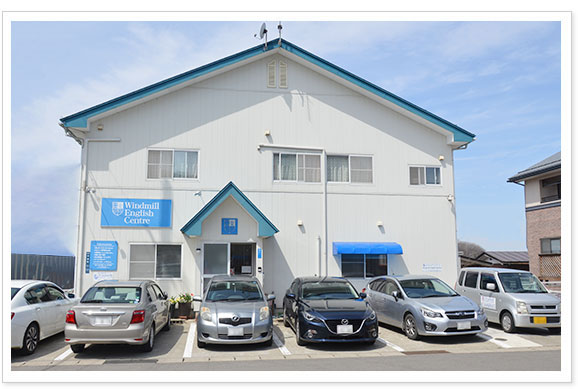
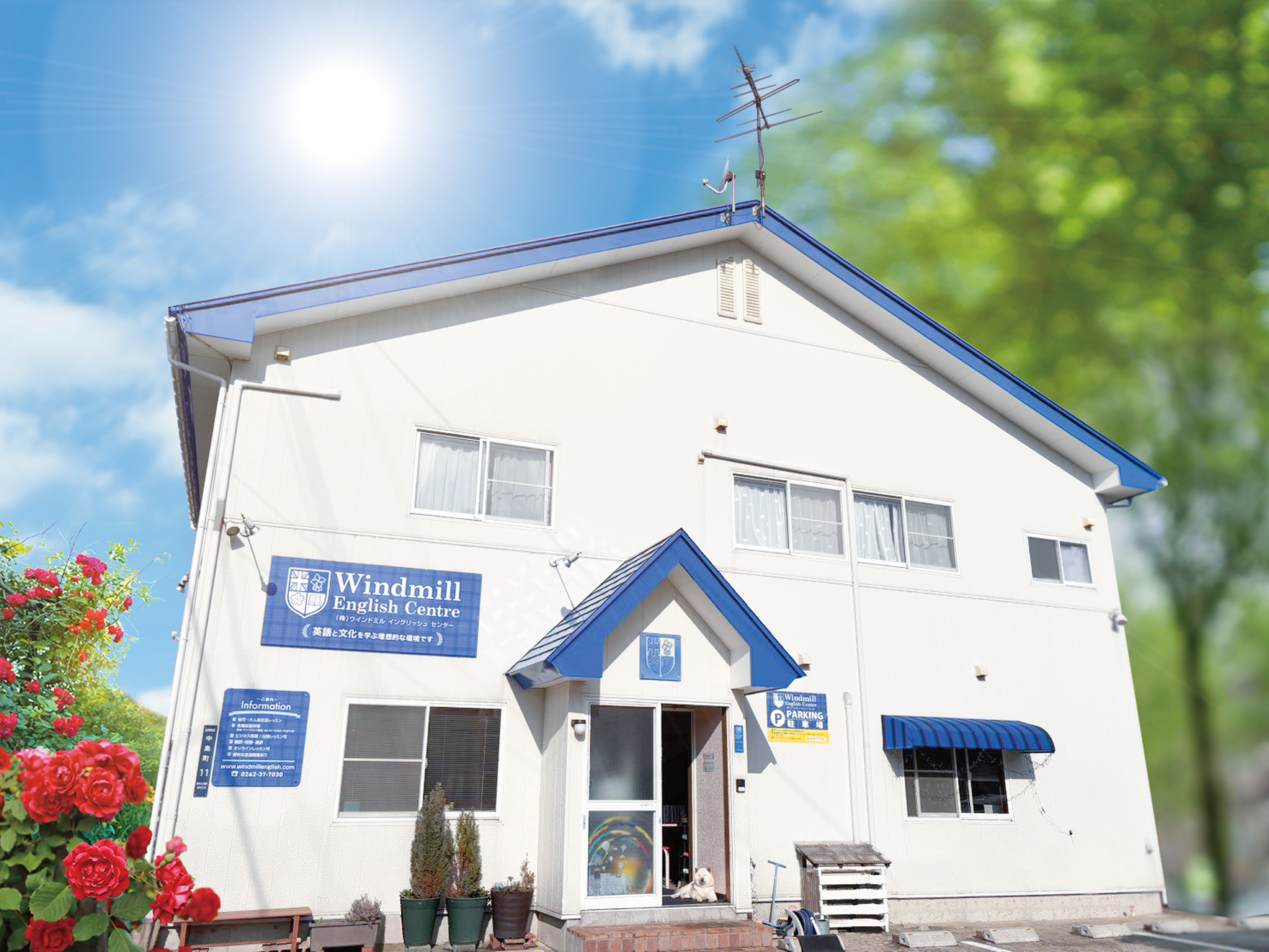
The Windmill English Centre (WEC) has been providing high quality English language education in and around Aizuwakamatsu since 1995. The school was established by Stephen and Junko Holland, a British/Japanese couple who saw the need for an international standard school of English in Aizuwakamatsu. The organization of the school is based on Stephen’s 10 years of teaching experience with the British Council in 4 different countries thus the school offers effective, enjoyable, communicative lessons with the aim to help students to become confident and competent speakers of English.
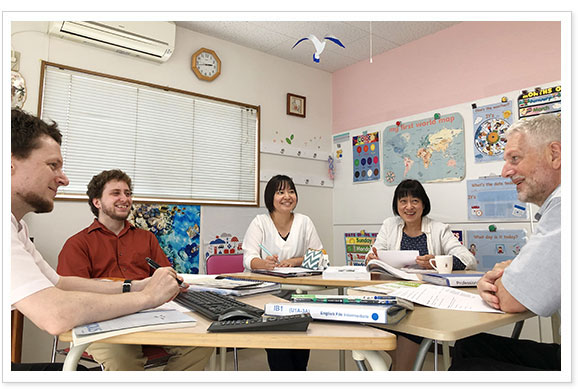
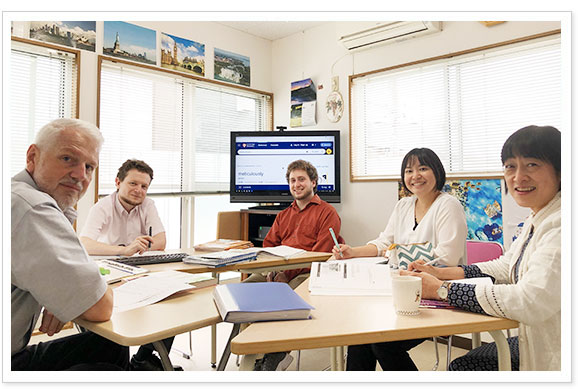
The school employs native speaker teachers of English from the UK, the USA, Canada, Australia and New Zealand, non-native speaker teachers of English who are fluent in English and Japanese English teachers.
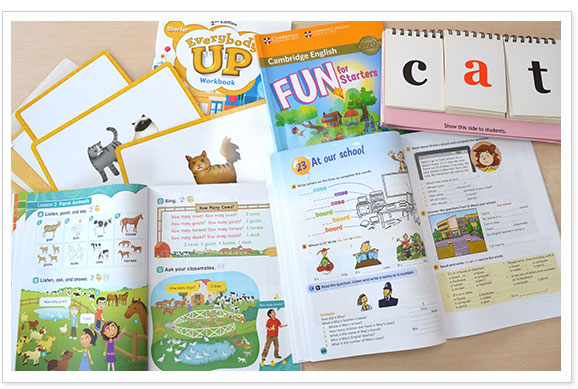
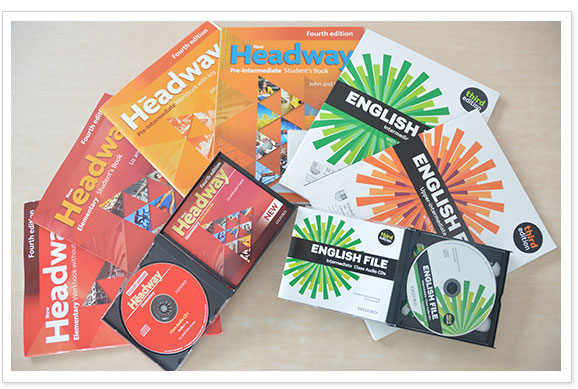
Being a private independent language school means the WEC can select the best quality ELT materials available from the leading international publishers such as Oxford University Press and Cambridge University Press.
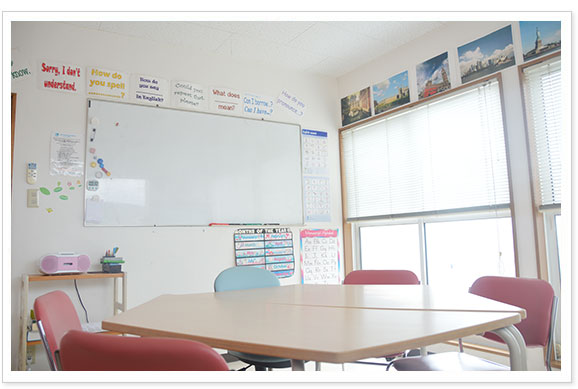
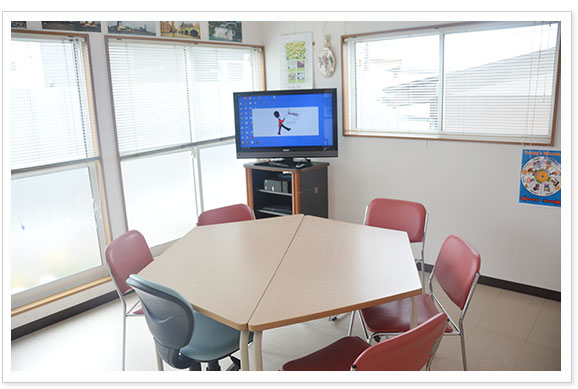
The WEC classrooms are fully-equipped with large whiteboards on two walls, computers and large screen TV monitors, CD players, posters and notices.
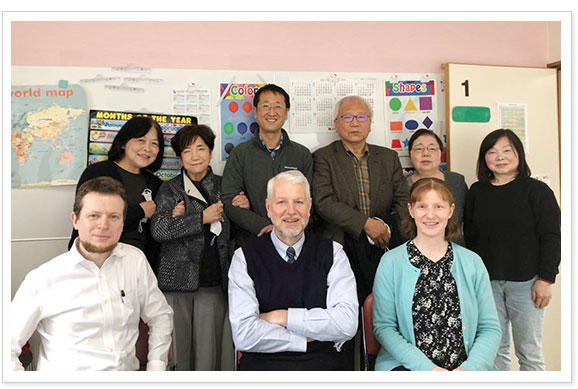
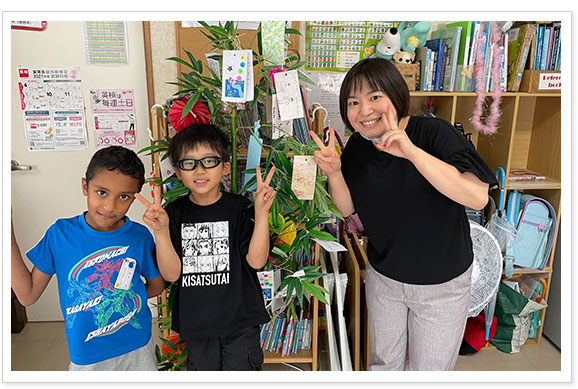
Classes are held in small groups of, usually, 3-7 students. There are classes for mothers and infants and pre-school age children (1-5), elementary school children (6-11), junior high school students (12-15) and high school students (16-18) as well as general English classes for adults of any age. New students have a placement test interview in English so they may join a suitable level class. Enrolment is continuous through the year. Young learners are placed in groups, first according to their English ability and secondly taking their age into consideration. The WEC has a wide variety of classes and has suitably qualified teachers for each type of class.
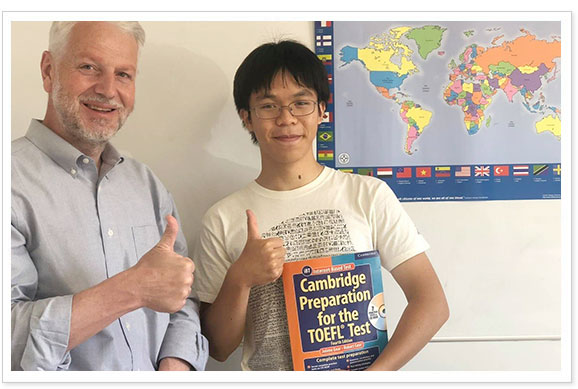
Apart from group lessons, the WEC can arrange private lessons for more specific needs or more intensive study. English classes at the WEC are held from 9am to 9pm from Tuesday to Friday and from 9am to 6pm on Saturdays.
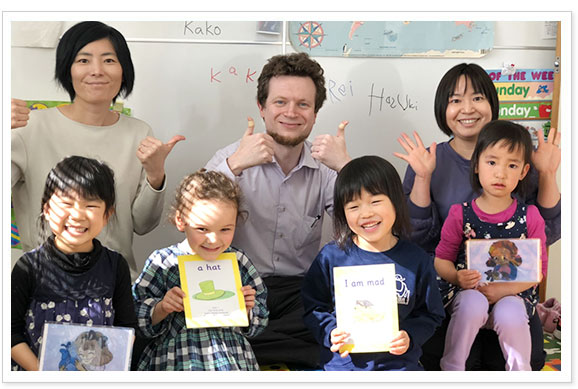
Lesson fees are paid monthly, either through a direct debit with the Toho Bank or the Japanese post office or they can be paid by cash each month. The WEC’s core policy is to offer high quality English education at reasonable monthly lesson fees that anyone who wants to learn English can afford.

Translation/Interpreting Services
The WEC employs talented translators and interpreters and has many years of experience of translating documents from English to Japanese or vice versa. Please contact us for a free estimate if you require any translation.
Translation/Interpreting Services
Working for the WEC
Application FormNative speaker teachers of English
The WEC recruits native speaker teachers of English when needed and we welcome applications from such teachers. Ideally, applicants will have a recognized EFL teaching qualification such as the Cambridge ESOL CELTA but more important than a relevant teaching certificate is the applicant’s attitude, motivation and character towards teaching English. The WEC expects its all its teachers to be diligent, reliable, enthusiastic, creative and sociable, in short, professional. The WEC often recruits native speaker teachers already living in the Aizu area, often being ALTs. Please note that all applicants for teaching positions will be interviewed and given a brief language knowledge and skills test. Successful applicants will be paid according to their level of teaching experience, skills and knowledge. All WEC teachers are expected to learn more about teaching methods, materials and knowledge while working at the WEC.
Non-native speaker teachers of English
The WEC also recruits non-native speaker teachers of English. These teachers must show they have near-native speaker levels of fluency in English and will be tested on their teaching knowledge and skills before being hired. These teachers must be able to pronounce English words and phrases naturally and possess a fairly neutral accent understandable to everyone. The WEC management recognizes the fact that some non-native speakers of English make excellent teachers of English.
Japanese teachers of English
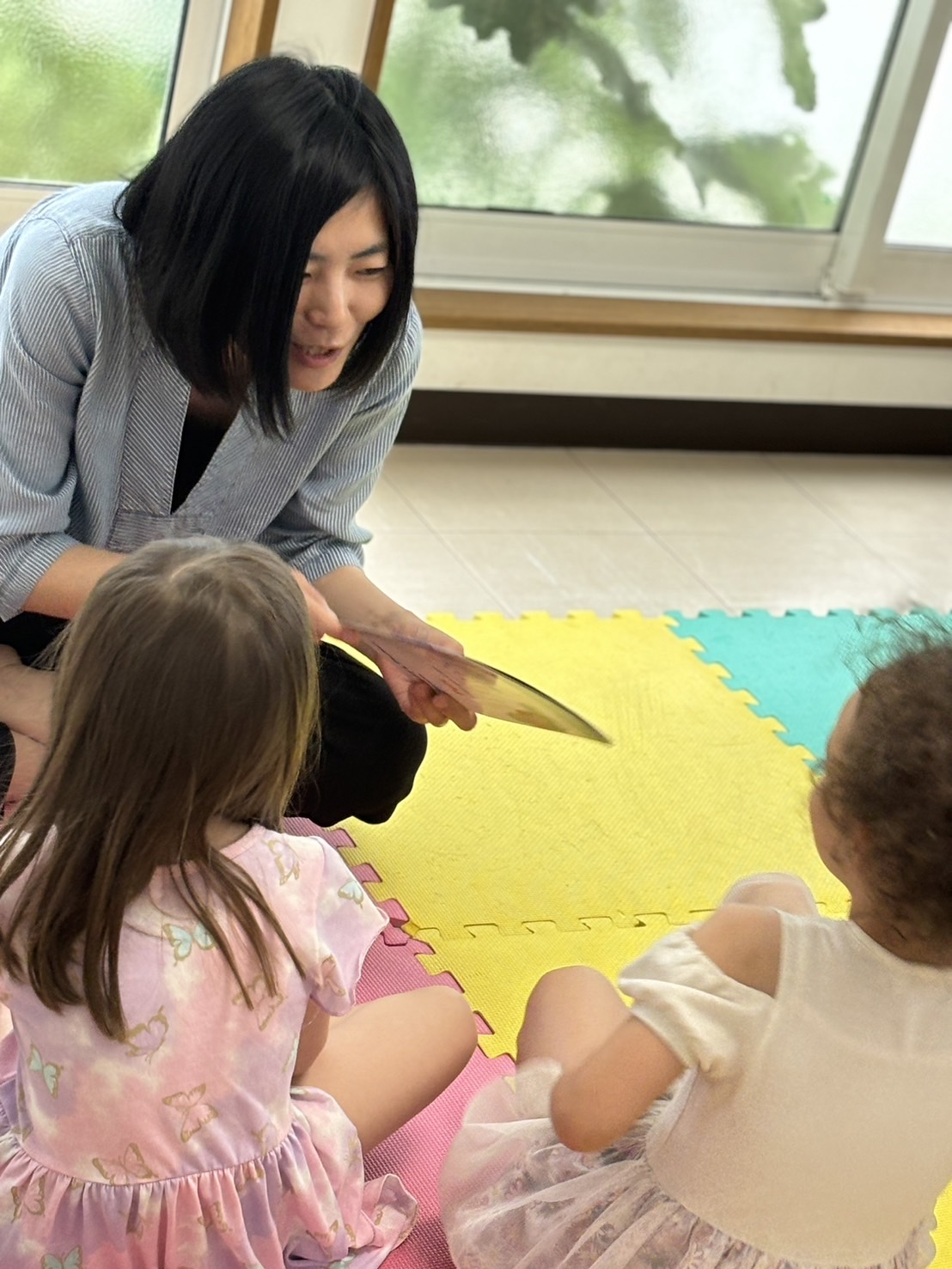
We recruit Japanese teachers of English (JTEs) as a foreign language from time to time and welcome applications from Japanese nationals with a high degree of English proficiency. Our JTEs should be able to speak and write English fluently and be capable of understanding English when spoken at normal speed by native speakers. As evidence of a JTE’s English ability, he or she will have passed the Cambridge ESOL FCE or CAE examinations, or the STEP Eiken Pre-1st or 1st level examinations or will have a recent TOEIC/TOEFL/IELTS score of 800+/70+/6.0+ respectively. The ideal JTE will have some experience and training in teaching English and have some knowledge of and interest in cultures and countries outside Japan. Our JTEs usually teach kindergarten, elementary school and teenage learners of English. Their classes can be either teaching English skills for communication or teaching STEP examination preparation classes. If you feel you have the necessary skills to be a WEC Japanese teacher of English and you would like to work at the school in Aizuwakamatsu City, Japan, please contact us at the school
Benefits of working for the WEC
Working as a teacher at the WEC is different from working at other language schools in Japan. Here are some reasons why:
-
1,
There is a wide range of the high quality teaching materials available for our teachers to use from leading international publishers such as OUP, CUP, Macmillan etc. to help our teachers plan, prepare and teach effective and interesting lessons. -
2,
Teachers are not limited to only using a set course text. There are core texts used at the school. WEC teachers are encouraged to use them creatively and to adapt certain parts, exercises when appropriate. Our teachers also have the freedom to use other materials as long as they are appropriate for the purpose of teaching their classes. - 3,
We respect the professionalism of our teachers. Sufficient time is allowed for teachers to prepare classes well. Outside of actual teaching time, a full-time teacher will usually have 2-3 hours a day available for planning & preparation of lessons. Typically, a 60-minute lesson at the WEC takes on average 30 minutes to prepare. However, in practice, preparation time varies and may be shorter (for example for repeated lessons) or longer (e.g. when a teacher is using a new course for the first time, developing extra supplementary materials, worksheets etc.) - 4,
At the WEC all the teachers make and share teaching materials. There is already an extensive range of teaching materials and aids available for teachers. We also have regular teacher meetings to share ideas, learn from each other and inform each other of any new developments. - 4,
At the WEC all the teachers make and share teaching materials. There is already an extensive range of teaching materials and aids available for teachers. We also have regular teacher meetings to share ideas, learn from each other and inform each other of any new developments. - 5,
All our classrooms have internet access as well as CD players. However, internet use in class time must be appropriate. Any video from the internet (e.g. from Youtube) must be previewed and deemed suitable for classroom use by the teacher before use in class. - 6,
The policy of the WEC is to offer high quality, effective English education with affordable monthly lesson fees for students. Our teachers are not textbook or CD sales representatives and are never pressured to sell materials to students which is sometimes the case, particularly in large nationwide chain schools. Of course, we can recommend suitable extra self-study material for those students who wish to make such purchases. - 7,
The WEC is an international standard language school jointly owned by a Japanese/British couple. Although the WEC is registered as a Japanese limited liability company (a kabushiki kaisha) we provide our teachers with considerably longer paid holidays than typical Japanese companies. The winter and spring breaks for WEC teaching staff are typically around 2 weeks long sometimes a few days longer and the standard WEC summer break is usually 5 working days plus two weekends i.e. 9 consecutive days of holiday in mid-August. We believe in providing our staff with a better work-life balance. - 8,
The WEC has been offering high quality English education in the Aizu area since 1995. The school is well-known in the Aizu area and attracts some very well-motivated students who are a joy to teach. - 9,
There is an enjoyable mix of nationalities amongst the teaching staff at the school, reflecting the fact that English is the most useful tool for international communication. The school employs native speaker teachers from the UK, the USA, Canada, Australia, New Zealand, Ireland and South Africa. The school also employs non-native speaker teachers of English with excellent English and English teaching skills from the Philippines and other countries. The school also has Japanese teachers of English, a bilingual Japanese receptionist and manager and part-time drivers to bring children to classes and take them home afterwards.
Living in the Aizu region
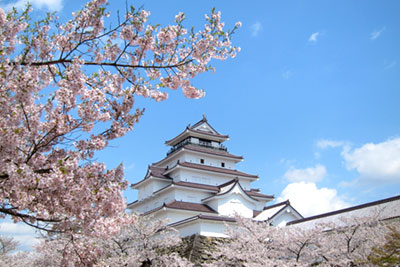
Size & Location Aizuwakamatsu City is a city of around 120,000 inhabitants located in the western part of Fukushima Prefecture in the northern part of Honshu, Japan known in Japanese as “Tohoku”. The city is located inland roughly halfway between the Sea of Japan and the Pacific Ocean in a basin of fertile, flat land mainly devoted to rice farming and surrounded by mountains. It is about 300 kms (3-5 hours by train or coach) from Tokyo. There are larger but less attractive cities within 1-2 hours train/bus ride away from Aizuwakamatsu City which have a wider range of shopping choices such as Koriyama, Fukushima City, Niigata or Sendai but all of life’s necessities and a lot more can be purchased in Aizuwakamatsu City itself.
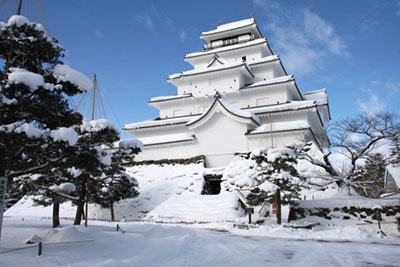
Size & Location Aizuwakamatsu City is a city of around 120,000 inhabitants located in the western part of Fukushima Prefecture in the northern part of Honshu, Japan known in Japanese as “Tohoku”. The city is located inland roughly halfway between the Sea of Japan and the Pacific Ocean in a basin of fertile, flat land mainly devoted to rice farming and surrounded by mountains. It is about 300 kms (3-5 hours by train or coach) from Tokyo. There are larger but less attractive cities within 1-2 hours train/bus ride away from Aizuwakamatsu City which have a wider range of shopping choices such as Koriyama, Fukushima City, Niigata or Sendai but all of life’s necessities and a lot more can be purchased in Aizuwakamatsu City itself.
People in Aizu
There are not so many foreigners living in the Aizu area, most Westerners living here are typically ALTs (assistant language teachers) in their 20s helping Japanese teachers of English in state schools, more experienced teaching specialists at the University of Aizu, a university specializing in computer science or post graduate students from overseas studying at the University of Aizu.
Attractions of the Aizu area
Aizuwakamatsu City is not a huge cosmopolitan Japanese metropolis such as Tokyo or Osaka. It is, however, the most historical and charming city in Fukushima Prefecture and is a very popular weekend tourist destination for many Japanese visitors and more adventurous foreigners. When they come to Aizu, visitors from Tokyo and other very large cities appreciate the opportunity to breathe fresh, unpolluted air and tour in and around the impressive Tsurugajo castle in the centre of the city. Living in Aizu is convenient as the city is not so big; traffic is light and flows freely at most times and it is quick and easy to travel around by car, bus or bicycle at most times of the year. Aizuwakamatsu City is also very close to areas of outstanding natural beauty with pine-forested mountains, lakes and valleys, such as the Bandai-Asahi National Park on the northern slopes of Mt Bandai, only 20 minutes away from the city. It is a perfect location for outdoor types who enjoying hiking, skiing, snowboarding etc. For most people, it is a great pleasure to drive or be driven around the beautiful countryside which surrounds the city at weekends. Within 20-30 minutes of the city there are beautiful hiking courses through the mountains, ski slopes and natural hot spring resorts. There is even an area of hot spring resorts within the city limits called Higashi Yama. Obviously having a valid driving licence is very advantageous and very reliable second-hand cars in excellent condition can be bought at very reasonable prices from local garages. Aizu is also a good place to learn, practise and pick up more Japanese as not so many locals are fluent in English. In short, Aizuwakamatsu City has all the basic facilities necessary for a comfortable, convenient life but cannot offer the cosmopolitan lifestyle of a huge metropolis. If you seek the “bright lights/big city” lifestyle, maybe living in Aizuwakamatsu is not for you.
SAMURAI CITY AIZU-WAKAMATSU Aizu Wakamatsu International Association